Supporting Character Arc
Three months. A logistics startup with strong opinions. An agency between me and the client. And a brief that kept shifting as the project went on.
Not every project is a design partnership. Some are support roles, and this was one of them.
A platform still finding its shape.
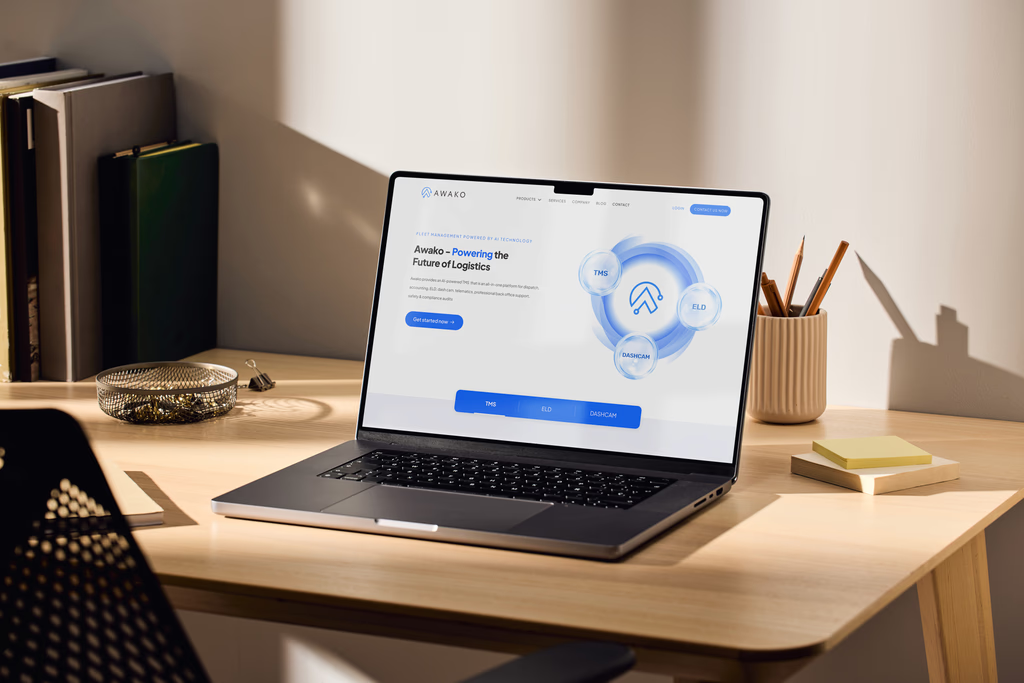
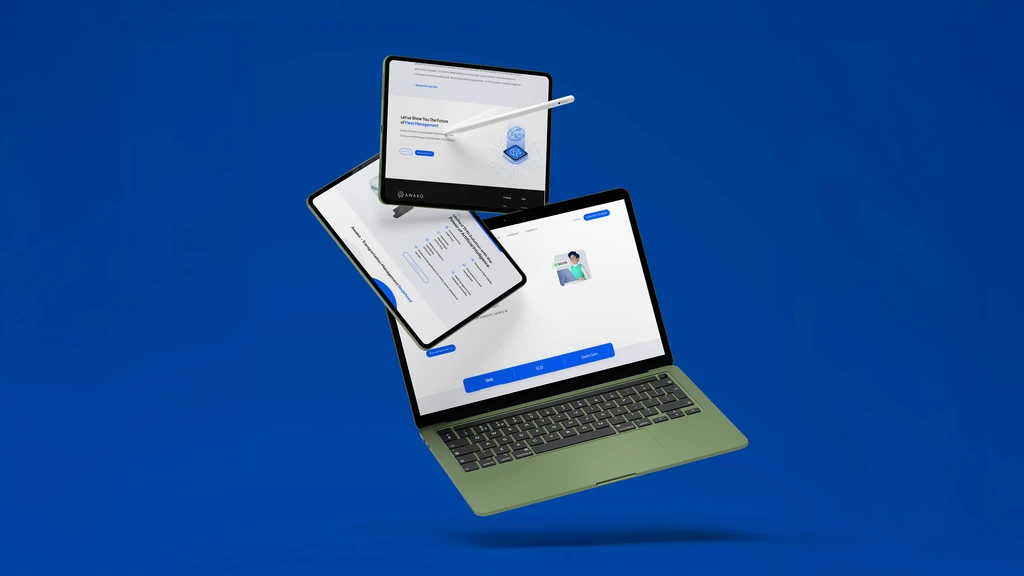
AWAKO was building AI tools for fleet management and route optimization. The vision was clear. The product was not. They were sitting in that territory between knowing what problem to solve and knowing what to build. That’s a real and legitimate place to be for an early-stage startup. It just requires a different kind of design support than a mature product does.
Supporting roles have their own rules.
I came in through Pixel True, which meant I wasn’t talking to the AWAKO team directly. Pixel True handled the client relationship. Most design decisions were shaped by the PM and the client, who had specific ideas about direction. My job was to execute well within those decisions, not to lead where they were going.
That’s a legitimate kind of design work. It’s also a limited one. Without direct access to the client, every brief arrives pre-filtered. Context gets compressed in translation. And when a client has a firm sense of what they want, suggestions that diverge from it tend not to land regardless of how well-reasoned they are.
The project drifted from its initial direction over the three months. Some of that was the client refining their thinking. Some of it was the natural friction of working through an intermediary. By the end, the goal became simpler: deliver something solid that a team could actually build on.
Atoms first, everything else later.
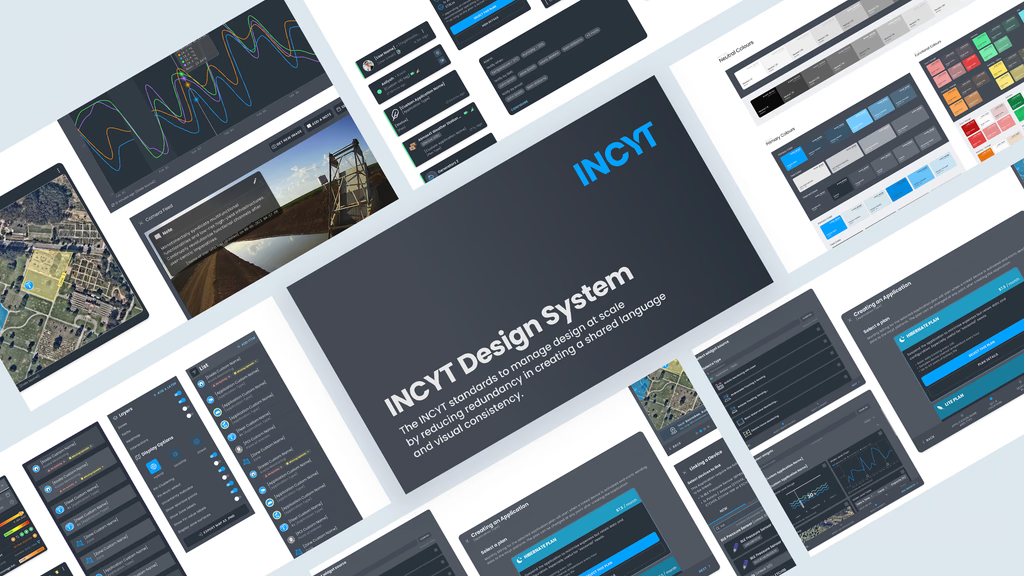
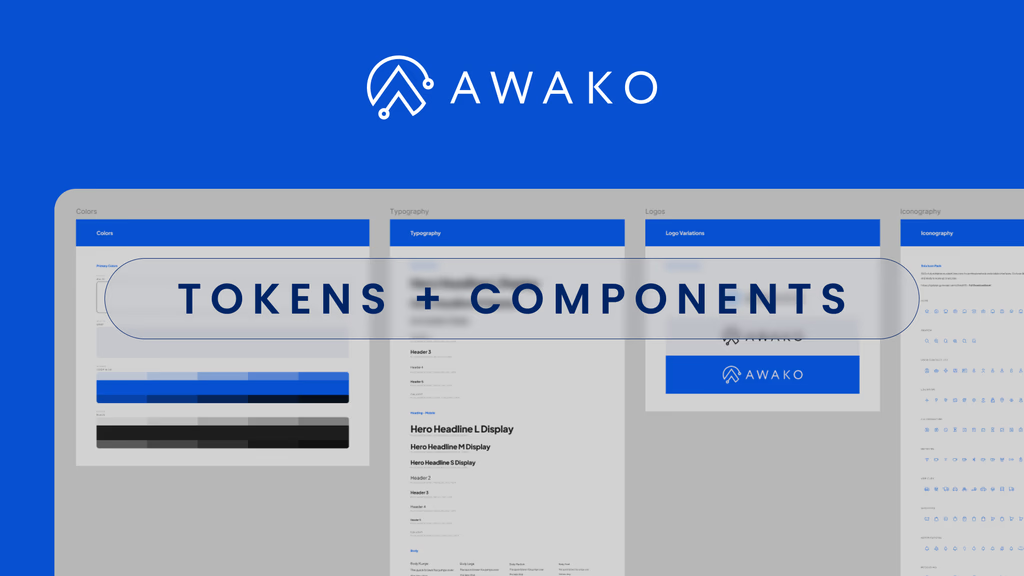
The component library started with tokens and foundations. Colors, typography, spacing, basic interactive states. Enough atoms to begin assembling dashboard screens without reinventing decisions each time. Whether it grew into something broader after handoff, I genuinely don’t know.
What I do know is that it was built to be built on. Documented well enough for someone else to pick up. Structured on atomic principles so components could be assembled consistently as the product scaled. The foundations were there. What happened next wasn’t mine to control.
What shipped, and what I can actually own.
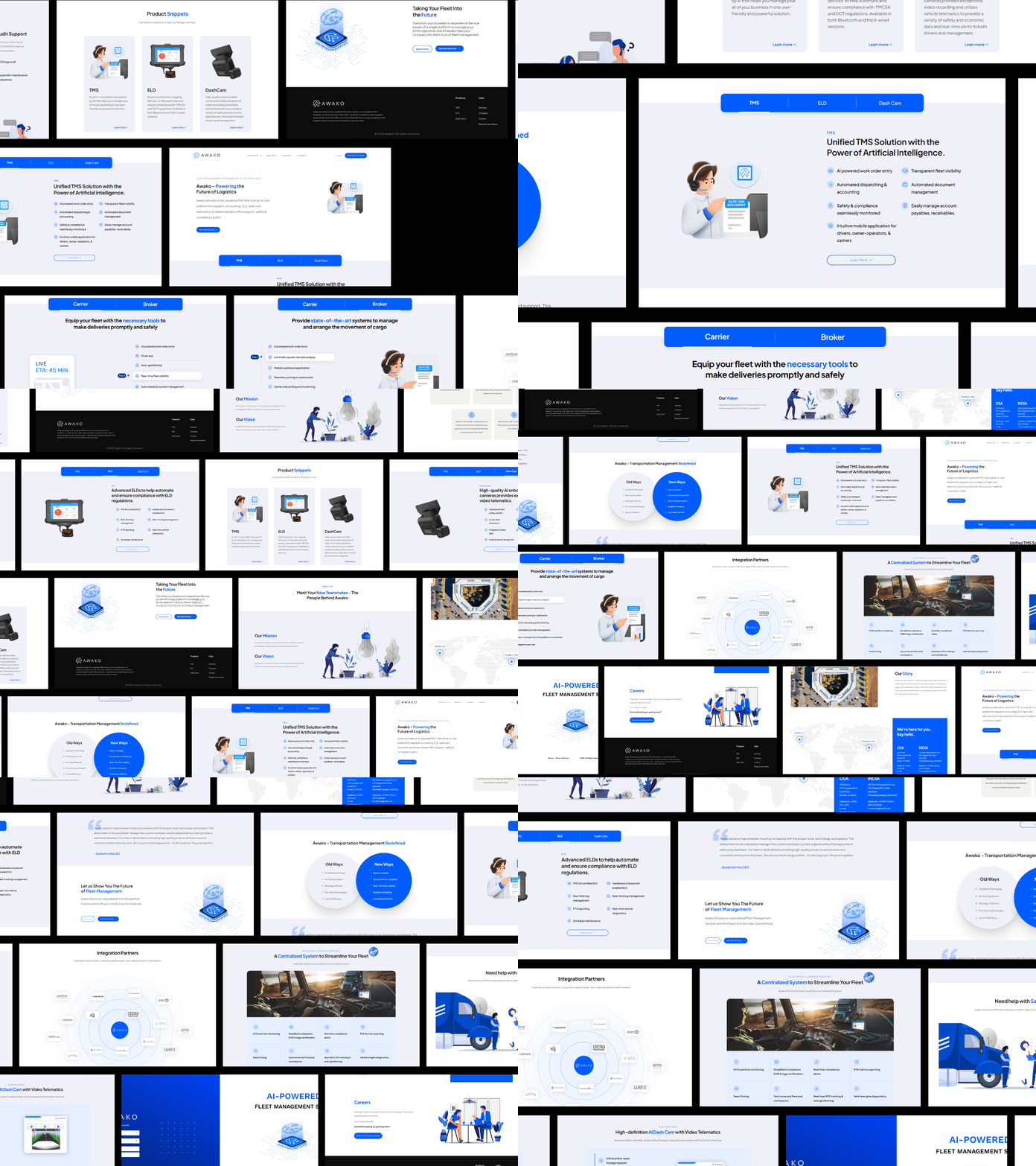
A foundational component library. A sprint that helped the team clarify MVP priorities. Some alignment between product and marketing on how the brand presented itself. None of it was design leadership. All of it was useful.
The honest version: this was a short engagement with real constraints. The client drove direction. The agency managed the relationship. My contribution was clean execution within those limits.
What I’d do differently.
Direct client access. That’s the short answer.
Working through an intermediary sounds like a logistics detail. In practice it changes everything. You get brief summaries instead of conversations. You lose the nuance that comes from being in the room. And when something drifts, you’re one step removed from catching it early.
On any future engagement structured like this, I’d push for at least one direct line to the client, even if the agency manages the broader relationship. Not to go around anyone. Just to have enough context to do the work well.